
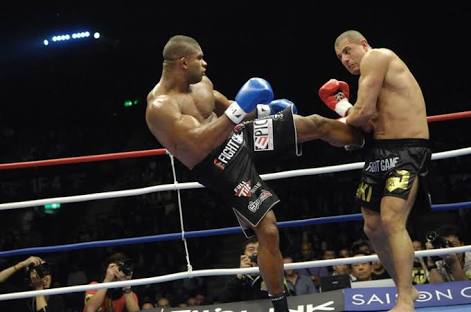
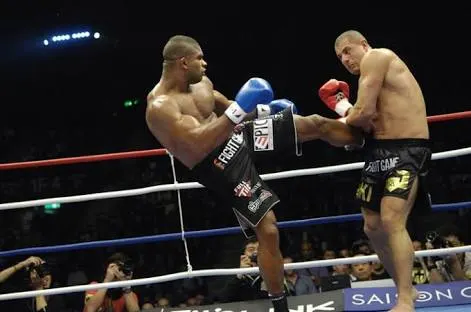
Dutch kickboxing emerged in the 1970s in the Netherlands and it is a mix of Muay Thai, Kyokushin, and western boxing techniques. It differs from other styles because the emphasis is on non-stop forward pressure, high output of punches, and low kicks. If a kickboxer is using punches far more than kicks in a fight, that fighter is probably trained in Dutch Style.
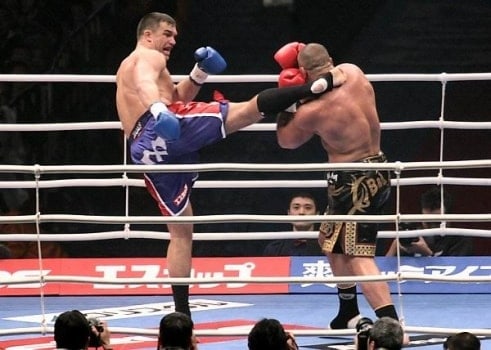
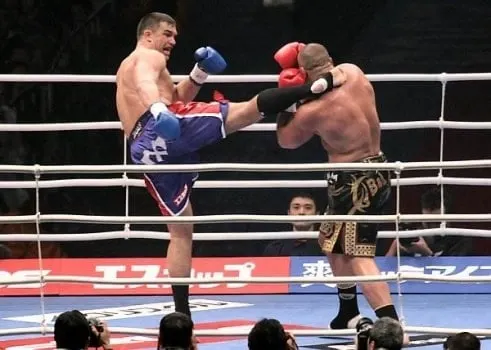
K-1 is the kickboxing promotion that emerged in 1993 in Japan with the idea of finding out which striking martial art is the best. The letter “K” stands for karate, Kung Fu, kickboxing, and Kempo. K-1 was so popular that the “K-1” set of rules later became the official kickboxing style.
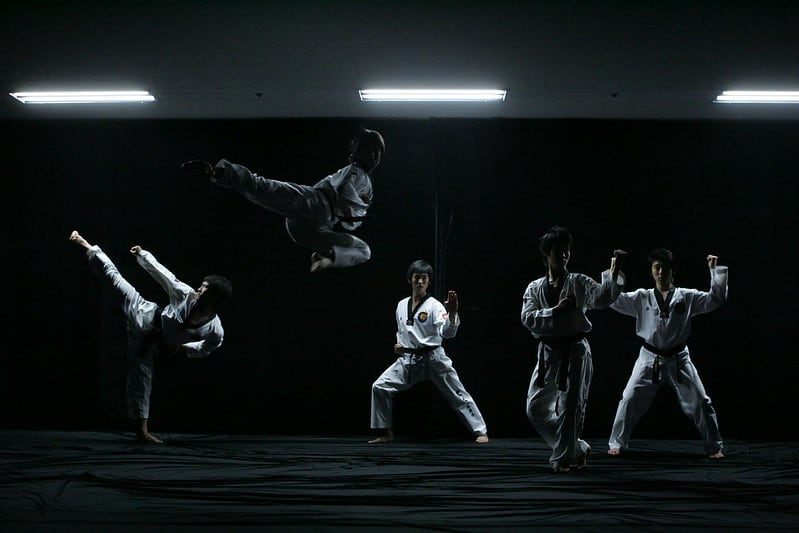
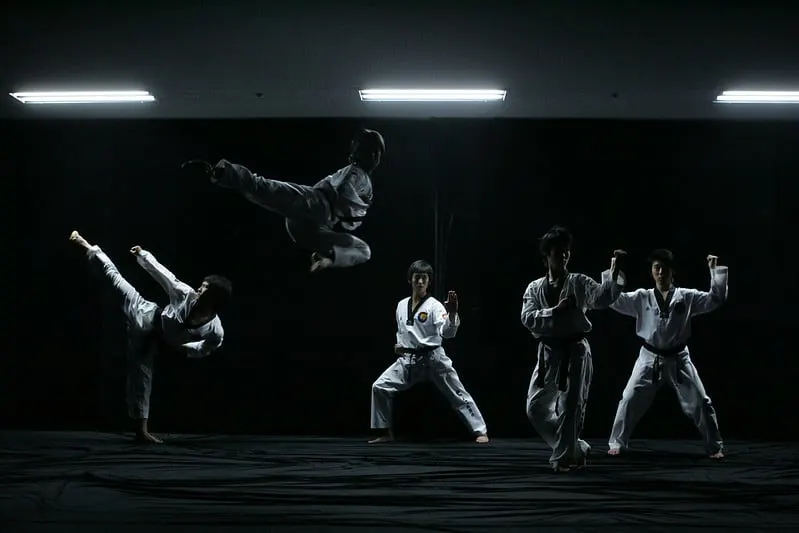
Taekwondo skills alone aren’t effective in MMA, because it is regarded as too one-dimensional. It is limited almost entirely to an array of different kicks. Taekwondo techniques must be combined with another discipline in order for an MMA fighter to succeed in a fight.
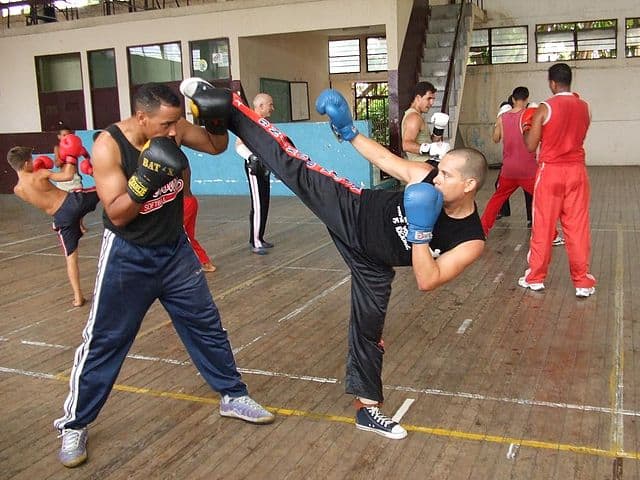
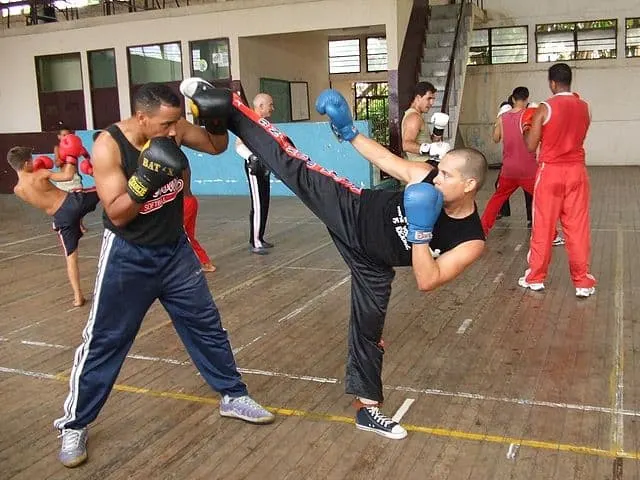
Savate is a French developed style of kickboxing that originated as a form of streetfighting. The style uses both hands and feet as weapons, but the kicks can only be executed with the feet. The use of shins or knees is not allowed in the Savate fighting style. Both high and low kicks are used.
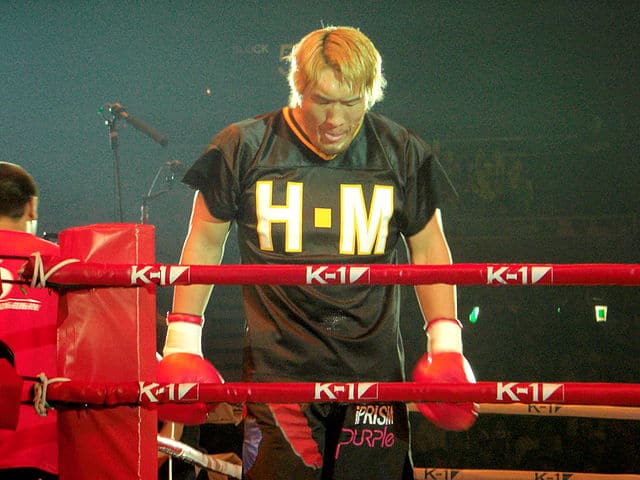
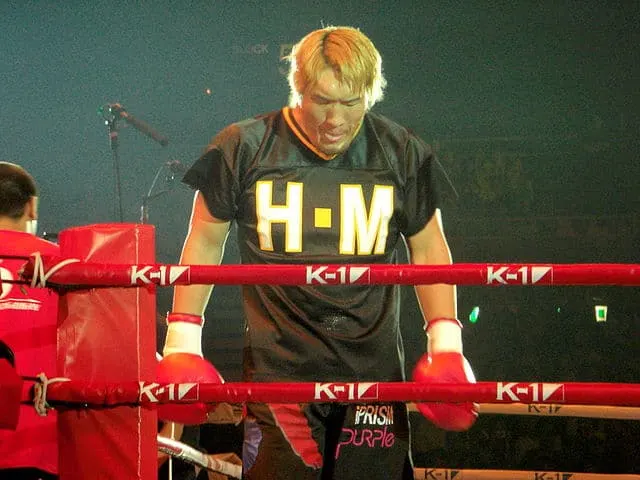
But as in any sport, there are exceptions where tall MMA fighters used the advantage of height to a great extent to succeed. Keep reading this article to find out the best MMA fighters who are at least 6’6″ tall, and their interesting stories.
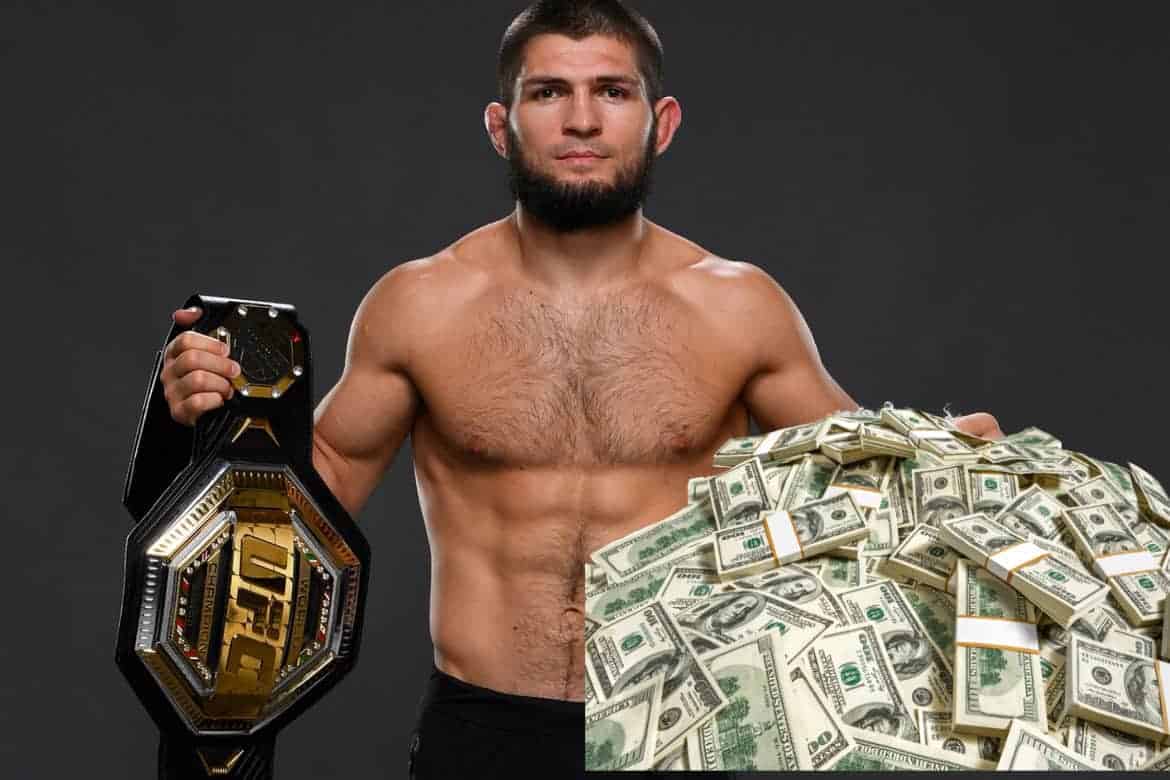
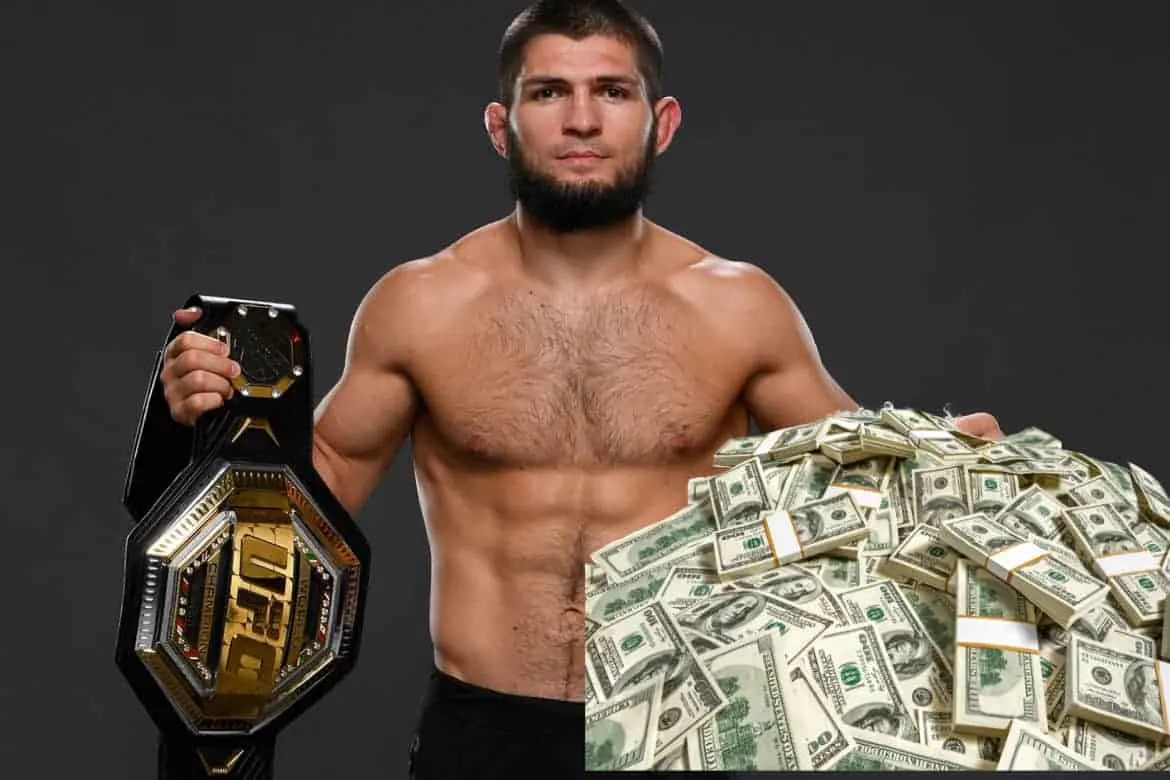
The average salary estimated for UFC fighters in 2020 was US$147,965. UFC fighters are paid for making the weight, turning up to fights, the number of fights they partake in, and other endorsements outside of the UFC’s domain, including sponsorship support.