
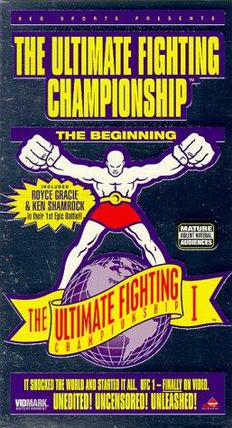
The first UFC began on the 12th November 1993 when WOW Promotions produced its first-ever mixed martial arts event, the Ultimate Fighting Championship (which would later be renamed to UFC 1: The Beginning). The event was held at the McNichols Sports Arena in Denver Colorado and was also broadcasted live on PPV (pay-per-vie
MMA
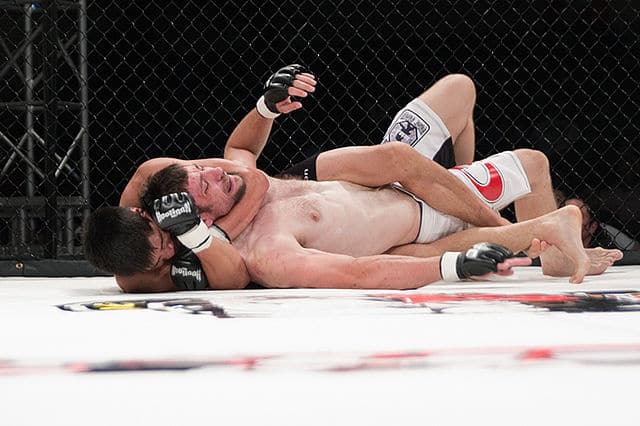
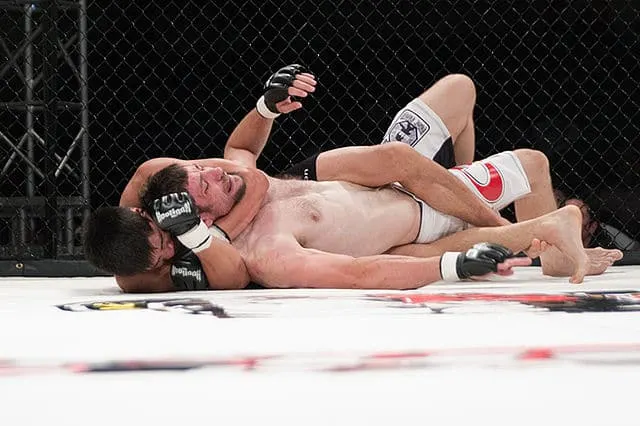
BJJ is incredibly useful, but not essential, in MMA. It is one of the best martial arts for ground fights, but does not train fighters for clinching and stand-up fights. Other martial art combinations, such as Sambo and Wrestling, teach ground technique as well as clinching and stand-up fighting.
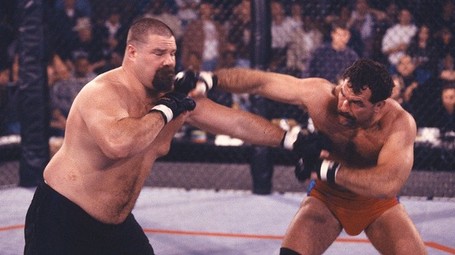
Studies have shown that MMA fighters are at a higher risk of suffering brain damage. This risk goes up the longer an MMA fighter’s career goes on, and researchers have determined that some regions of the brain, in particular, suffer significant degradation.
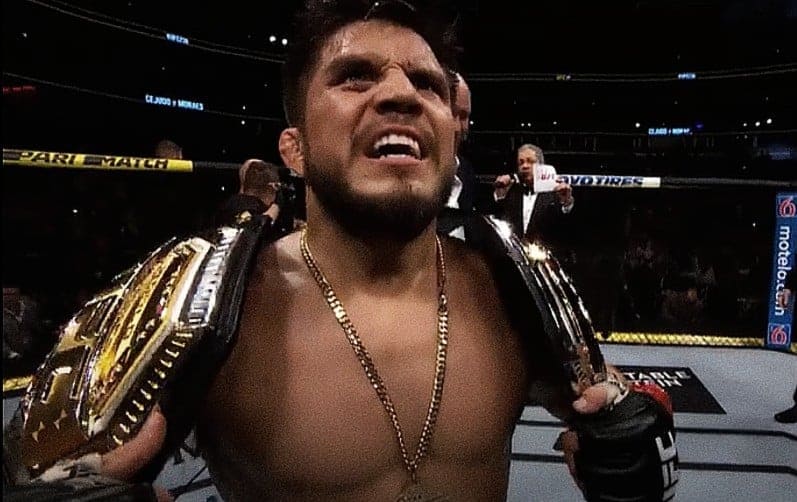
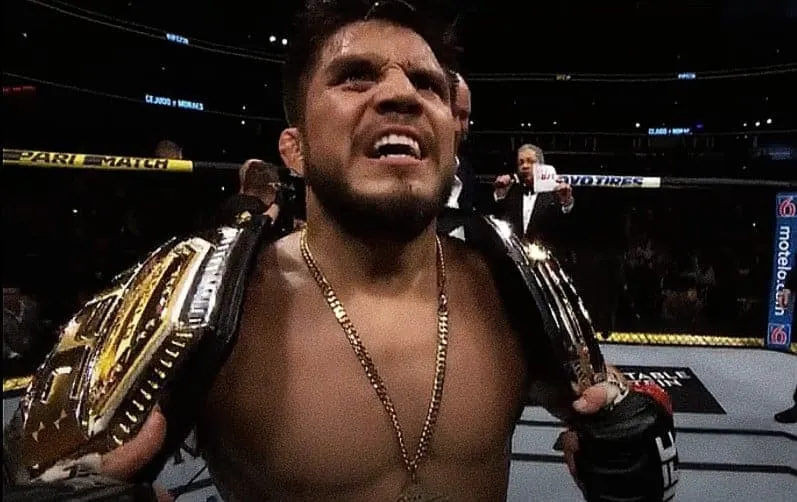
UFC Champions will always keep their physical belts, regardless of their future status. That is, even if they lose a fight, vacate their title, or are stripped of their title, they will keep their belts. Their belts do not get passed on to new champions.
USADA is the United States Anti-Doping Agency. It helps detect people using banned substances, which can artificially improve their performance. USADA also needs to assign a penalty for rule violations. This program was begun in October 2015 and continues to play an important role in the sport.
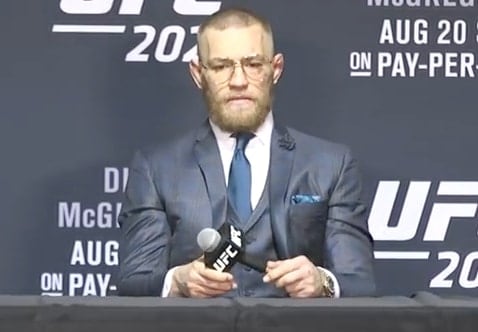
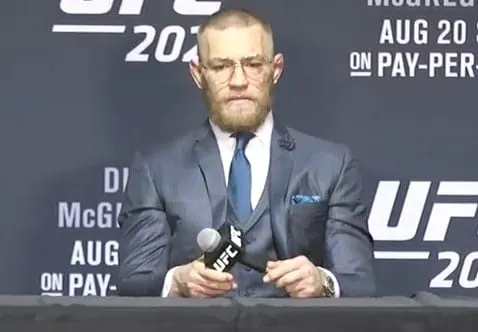
MMA is a game of pinpoint accuracy, and fighters without glasses or contacts could have a leg up on the competition. Being close to your opponent is going to be crucial to your success in training and competition. Blurred vision could leave you open for serious injuries. How do MMA fighters who have glasses or contacts fight?