
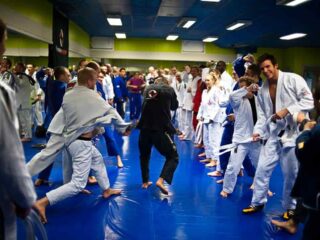
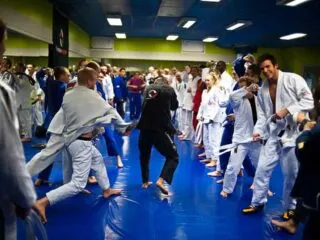
BJJ instructors are in charge of promoting their students. As a result, BJJ instructors will consider three main factors when promoting their students: their technical skills, how hard they work, and how well they do in competitions.
MMAchannel.com Staff
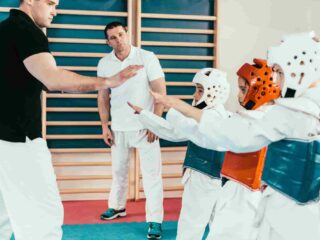
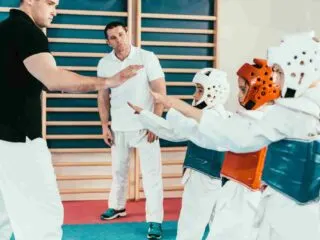
Taekwondo improves strength, balance, and flexibility, resulting in better posture, physical growth, and agility in children. But, more importantly, Taekwondo teaches children discipline, respect, and hard work, all of which help them become better people.
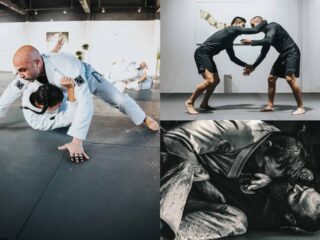
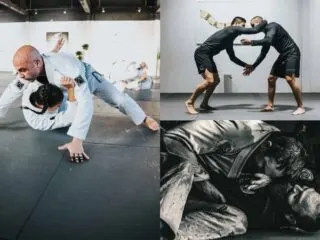
Japanese jujutsu was a precursor to all other jiu-jitsu styles. Since then, different popular jiu-jitsu styles have emerged, such as Brazilian jiu-jitsu (BJJ), Gracie jiu-jitsu (GJJ), American jiu-jitsu (AJJ), Combat jiu-jitsu (CJJ), and no-gi jiu-jitsu.
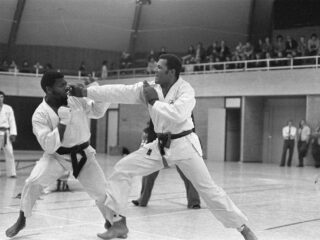
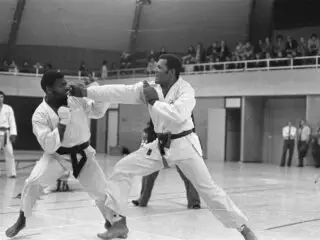
Full contact karate refers to a karate style or any form of karate competition that allows practitioners to knock out their opponents. In non-full-contact karate, knocking out your opponent can get you disqualified. In contrast, knocking out your opponent wins you a match in full-contact karate.
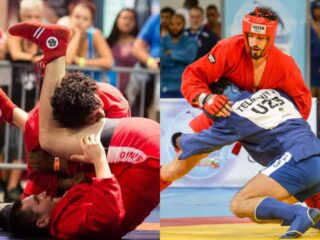
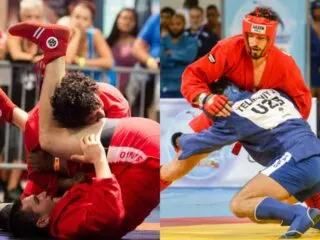
Sports sambo is a rule-based style where athletes compete using grappling throws and submissions, excluding any forms of striking. In contrast, Combat Sambo is a combat style designed for the Russian military based on a hybrid mix of striking, grappling, and brutal self-defense tactics.
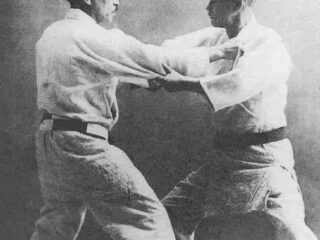
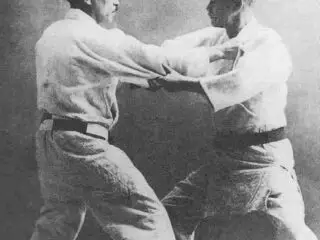
Kodokan judo is the original form of judo created by Kano Jigoro in 1882. Kano designed Kodokan to be practiced for self-defense, mental and physical benefits, and in a sports form. Or in other words, all judo styles are recognized and rooted in “Kodokan Judo.”